Where We Work

How We Work

Our pilot hub is launching in The Gambia, with strategic outreach across the UK, EU, and West Africa. We operate at the nexus of climate innovation, rural development, and export-grade production.

We operate through a strategic four-phase rollout model:
Pilot Deployment

Launching in The Gambia, our lean MVP hub integrates biogas, briquettes, vinegar production, solar drying, and cooperative training. It serves as a living lab for impact, efficiency, and local leadership.

Validation & Grant Activation

We rigorously track carbon offset, job creation, and cooperative engagement to unlock catalytic funding and build trust with donors and partners.
Open-Source Inno. & Scaling

We deploy globally validated, open-source patented tech. such as digesters, dryers & reactors modularized & localized for cost-effective replication. Our innovation lies in system-level integration, not exclusivity.
Regional Expansion

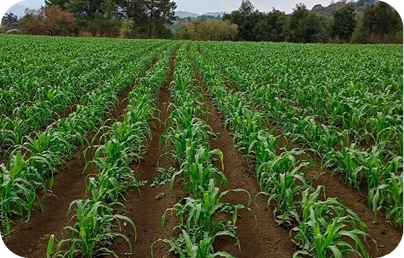
With proof of concept in hand, we replicate the model across agro-processing zones in West Africa—tailoring each hub to local materials, market needs, and cooperative structures.

Where We Are

Fortis Invicta is building a regenerative future—where waste becomes wealth, and communities lead the transformation. Your support helps us deploy modular circular hubs, empower youth and women, and scale dignified climate-smart infrastructure across Africa.

We are targeting high-potential regions where agricultural activity generates abundant organic waste, yet infrastructure for valorization remains limited. These zones offer the ideal conditions for modular deployment, community engagement, and rapid impact.

Our goal is to intercept agro-waste streams—fruit pulp, crop residues, animal byproducts—and convert them into clean energy, soil enhancers, export-grade products, and dignified livelihoods. Every module is designed to close loops, reduce emissions, and unlock local value.

Biogas Digesters – for clean cooking fuel and organic slurry
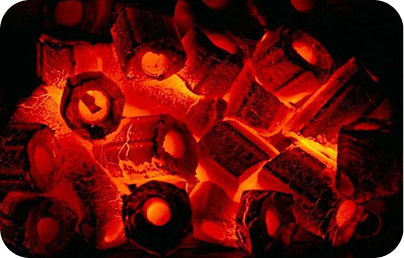
Briquette Press – replacing charcoal with clean-burning fuel
Biochar Reactor – for carbon sequestration and soil regeneration
Solar Dryer – preserving fruits, herbs, and vegetables
Vinegar Unit – producing tropical vinegar from fruit waste
Oil Press – extracting MSO and other high-value oils
Interlocking Brick Workshop – building low-carbon infrastructure
Cooperative Training Zone – empowering youth and women Halal Processing Fresh meat, biltong, collagen peptides, bone meal

We are working closely with The Donor Organisations, the Ministry of Trade, Industry and Employment (MoTIE) , the Ministry of Agriculture (MoA), other Gambian ministries and relevant agencies towards laying the groundwork for public-private collaboration, donor alignment, and policy integration.

Current Programmes
Agro-Waste Valorisation

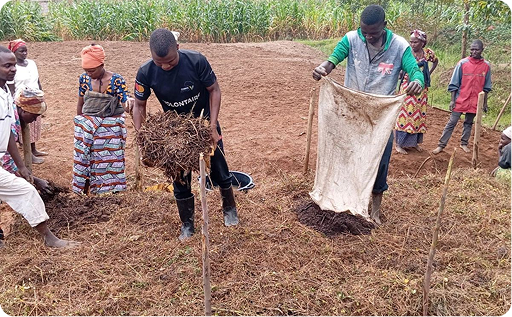
Turning Waste Into Wealth Across Gambia’s agricultural heartlands, agro-waste is both abundant and underutilized.
Solar Dehydration

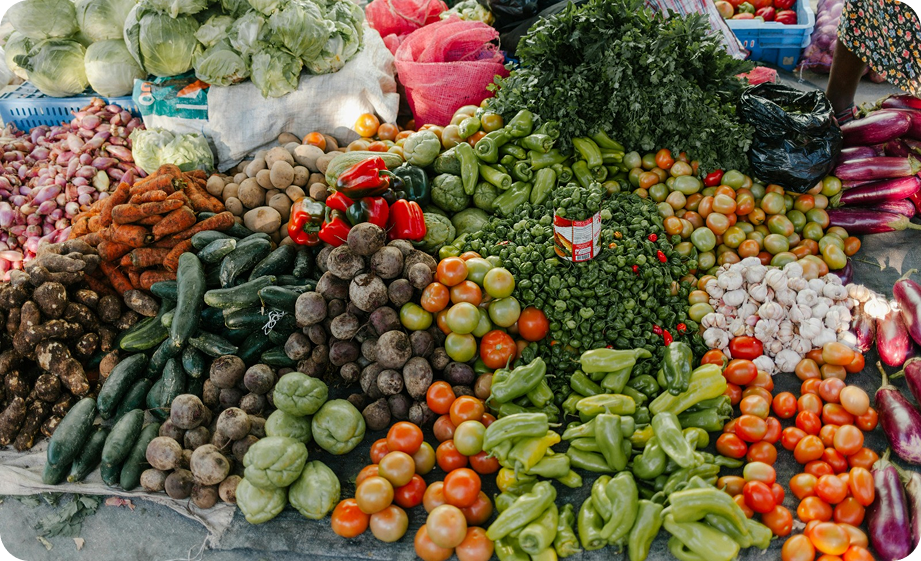
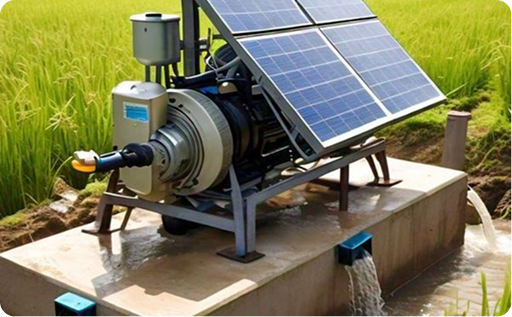
Preserving Nutrition, Securing Food In Gambia, seasonal gluts of fruits & vegetables often go to waste due to inadequate preservation infrastructure.
Hygienic Abattoir

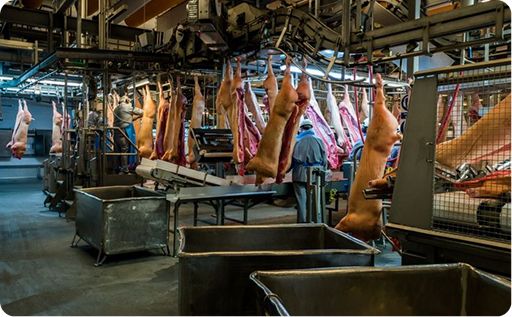
Bridging Gambia’s $10M Meat Gap Gambia imports over $10 million in meat annually, despite having a robust livestock sector [Gambian Statistical Bureau, 2023].


Scroll to Top

Turning Waste Into Wealth Across Gambia’s agricultural heartlands, agro-waste is both abundant and underutilized. From mango pulp and groundnut shells to animal byproducts and crop residues, these materials are often burned, dumped, or left to rot—contributing to air pollution, soil degradation, and methane emissions. According to the FAO, sub-Saharan Africa loses up to 30% of its agricultural output post-harvest due to poor waste management and infrastructure gaps [FAO, 2021].

Fortis Invicta is pioneering a regenerative solution. Our modular circular hubs intercept these waste streams and transform them into clean-burning briquettes, carbon-rich biochar, organic fertilizer, and biogas. This isn’t just recycling—it’s economic and ecological regeneration. Biochar restores depleted soils and sequesters carbon; briquettes replace deforestation-linked charcoal; biogas powers homes and processing units; and compost revitalizes local farms.

Each module is designed for rural deployment, cooperative ownership, and export readiness. Youth and women are trained to operate the systems, manage inputs, and market outputs—creating dignified jobs and community wealth. By valorising waste, we reduce emissions, restore ecosystems, and unlock new income streams.

The World Bank estimates that effective waste valorisation could generate over $40 billion annually across Africa [World Bank, 2020]. Fortis Invicta is positioning Gambia at the forefront of this transformation—where waste becomes wealth, and circularity becomes legacy.

Preserving Nutrition, Securing FoodIn Gambia, seasonal gluts of fruits and vegetables often go to waste due to inadequate preservation infrastructure. Mangoes rot in crates, okra wilts in the sun, and hibiscus flowers lose potency before reaching market. The Gambian Statistical Bureau reports that post-harvest losses in horticulture exceed 35%, threatening food security and farmer incomes [GSB, 2023].

Fortis Invicta’s solar dehydration modules offer a climate-smart, community-driven solution. Using passive solar energy, we gently dry fruits, herbs, and vegetables—extending shelf life, preserving nutrients, and creating export-grade products. Dried mango, moringa, hibiscus, and okra become shelf-stable, high-value goods for local consumption and international markets.

This isn’t just about preservation—it’s about empowerment. Women and youth cooperatives lead the dehydration process, gaining technical skills, income, and ownership. The solar dryers are modular, low-cost, and scalable—perfect for rural deployment and cooperative governance.

Dehydrated foods also enhance nutrition during lean seasons, reduce reliance on imports, and support school feeding programs. According to the World Food Programme, integrating dried produce into local diets can significantly improve micronutrient intake and reduce childhood stunting [WFP, 2022]. By making perishables resilient, Fortis Invicta is building food sovereignty from the ground up. We’re turning seasonal abundance into year-round security—and waste into wellness.

Bridging Gambia’s $10M Meat GapGambia imports over $10 million in meat annually, despite having a robust livestock sector [Gambian Statistical Bureau, 2023]. The gap isn’t supply—it’s infrastructure. Most local slaughtering occurs in unhygienic conditions, lacking cold chain systems, quality control, and byproduct management. This undermines food safety, market access, and national resilience.

Fortis Invicta’s hygienic abattoir module is designed to change that. With clean slaughtering stations, cold storage, and valorisation units, we ensure that meat products meet health standards and consumer expectations. Bones are milled into calcium powder, offal fuels biogas digesters, and meat is preserved for safe distribution.

This integrated approach reduces waste, improves public health, and unlocks domestic value chains. By training youth and women in hygienic processing, cooperative governance, and product marketing, we create jobs and build capacity. The abattoir also links to other modules—biogas, composting, dehydration—creating a closed-loop system where nothing is wasted.

According to the African Development Bank, improving meat processing infrastructure could reduce imports by 60% and boost rural incomes by 40% [AfDB, 2021]. Fortis Invicta is making that vision real—bridging the meat gap with circular design, community ownership, and export ambition. We’re not just building an abattoir—we’re building food sovereignty, health resilience, and economic dignity. One clean cut at a time.